

Reuniting a Child with Her Family: A Journey of Hope and Resilience
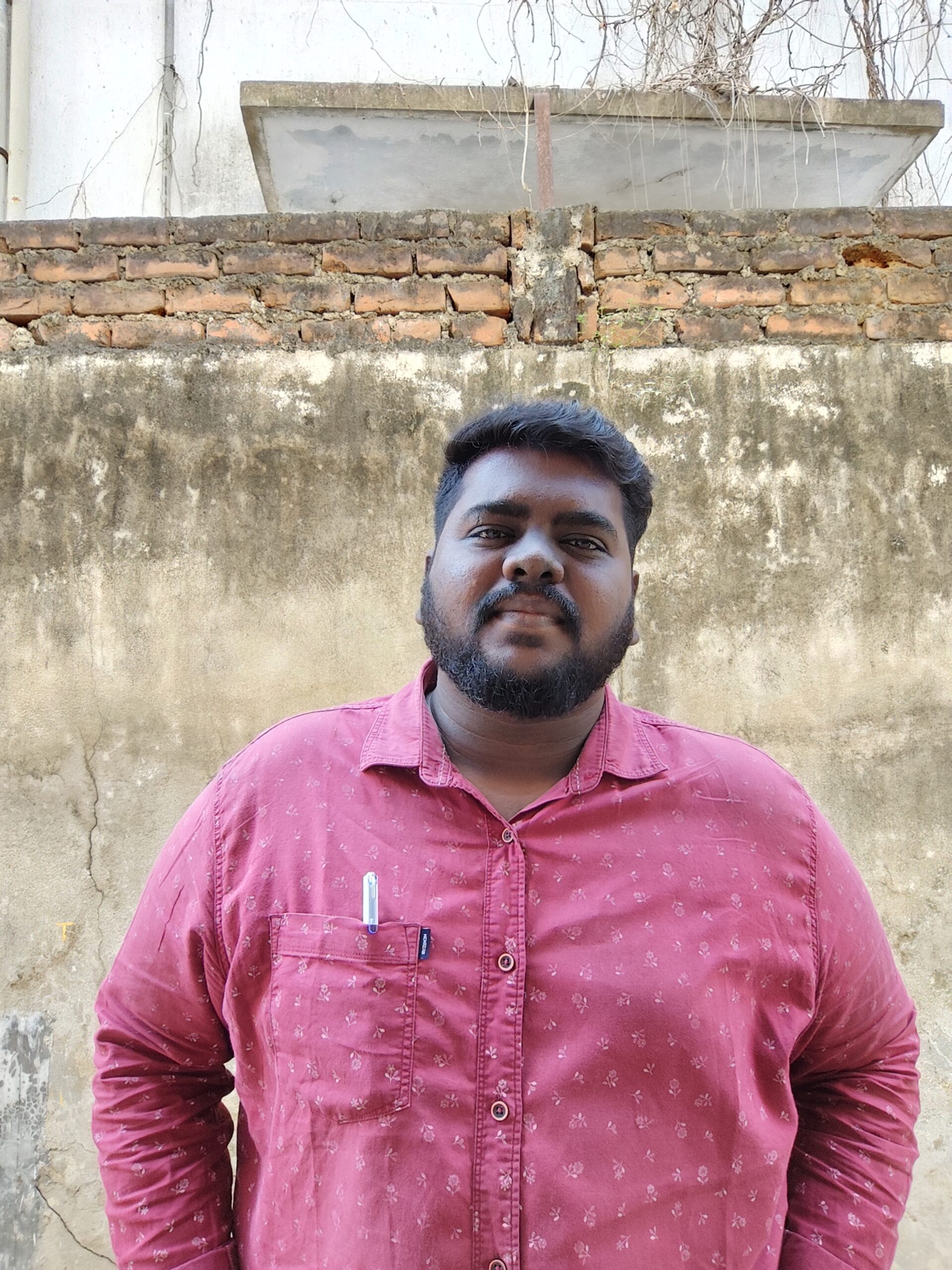
I am a social worker at Bala Mandir Kamaraj Trust (BMKT), where my role is to act as a catalyst for children’s needs and wishes. At BMKT, we are driven by a fundamental belief that every child deserves a loving, supportive home. Our mission is to provide children with the care, protection, and opportunities they need to thrive. Among the many cases we handled, one recent reunification stood out as a powerful testament to the power of perseverance, coordination, and hope.
The Beginning: A Child Left Behind
This journey began with a two-year-old girl, who arrived at our Home under heartbreaking circumstances. Her mother, a migrant labourer, had been admitted to the Institute of Mental Health (IMH) in Tamil Nadu due to severe mental health challenges. With no information available about her family or where the child had come from, she was left in our care. At Bala Mandir Kamaraj Trust, we gave her a safe and nurturing environment, where she began to grow and flourish. However, despite our best efforts, we were always left with one fundamental question: Where was her family, and could she ever be reunited with them?
Finding the Mother: A Ray of Hope
After years of uncertainty, a breakthrough came in the form of a Probation Officer’s (PO) report that revealed that the child’s mother had been transferred to a mental health facility in Odisha. This new information sparked a ray of hope for reuniting the child with her biological family. It was the first step toward restoring the bond between the mother and child. With this crucial piece of information, we set our efforts in motion, coordinating with the necessary authorities and working towards the child’s return to her family.
The Reunification Process
Reuniting a child with her family is no simple task. It’s a complex process that requires not just logistics but also deep emotional preparation, legal coordination, and careful planning. In collaboration with the Child Welfare Committee (CWC), we initiated a series of steps that would lead to a safe and successful reunification.
1. Confirming the Family’s Situation
Before moving forward, it was important to ensure that the mother was stable and able to care for her child. We worked closely with the CWC in Mayurbhanj, Odisha, to assess her condition. Their thorough evaluation helped us understand that she was ready to receive back her child and care for her.
2. Preparing the Child for the Transition
One of the most important aspects of my role as a social worker was preparing the child emotionally for this major transition. I spent time counseling her, explaining where she was going, who she would meet, and what to expect on the journey. We made sure she understood that her mother was waiting for her and that they would soon be reunited. Emotional preparedness is crucial in ensuring that the transition is as smooth and positive as possible.
3. Safe and Supervised Travel
The journey itself was another essential part of the process. I, along with a caregiver, personally escorted the child from Tamil Nadu to Odisha, ensuring her safety and comfort every step of the way. After arriving in Odisha, we travelled a further 500 kilometres to Mayurbhanj. The roads were in poor condition, making the journey even more challenging, but we pressed on, determined to reunite the child with her mother. We were officially attested by the CWC as escorts, ensuring the transfer was legally compliant and well-structured. Throughout the journey, our focus was on providing the child with a sense of security and reassurance. The journey was demanding, but every kilometre was worth it for the child’s future.
4. The Moment of Reunification
Finally, we arrived at CWC Mayurbhanj in Odisha, where we facilitated the official handover of the child to her mother. The moment when they were reunited was nothing short of emotional—a mix of joy, relief, and fulfillment. Watching the child embrace her mother after years of separation was an unforgettable experience. It reaffirmed my purpose as a social worker and reminded me of the immense impact we can have when we work together to restore families.
Beyond Reunification: The Follow-Up
While reunification is a crucial milestone, it’s just one part of a much longer journey. My role didn’t end with the handover. I continued to work with local authorities in Odisha to ensure that the mother and child received ongoing social and psychological support. Reunification is not just about physically returning the child—it’s about ensuring that both the child and the family have the support they need to adjust and thrive together.
Conclusion: A Story of Impact
This story of reunification is more than just a case—it’s a story of hope, resilience, and the power of family. It’s a reminder that with dedication, persistence, and collaboration, we can restore families and give children the chance to grow up in a loving, supportive environment. At Bala Mandir Kamaraj Trust, we believe that every child deserves a family, and we remain committed to ensuring that no child is left behind. As a social worker, I feel privileged to be part of these life-changing journeys. Every child’s story is a new opportunity to advocate for children’s rights, to provide them with a future full of hope, and to make the world a better place, one reunion at a time
Comment (1)
Mohamed Meeran: Heart-touching account of the reunion! Social workers like you are truly privileged to create such an impact! Good luck for more such children to find their way back with their families.